
Anthropology analyses how socio-economic and political contexts affect the way people understand disease and health. A person's well-being goes beyond the absence of disease. Social ties, a sense of physical and economic security, and engaging in activities that give meaning to everyday life are some of the fundamental elements for understanding how we construct the notion of health. These are the social determinants of health, which are just as relevant as the aetiological explanations of disease when addressing people's well-being.
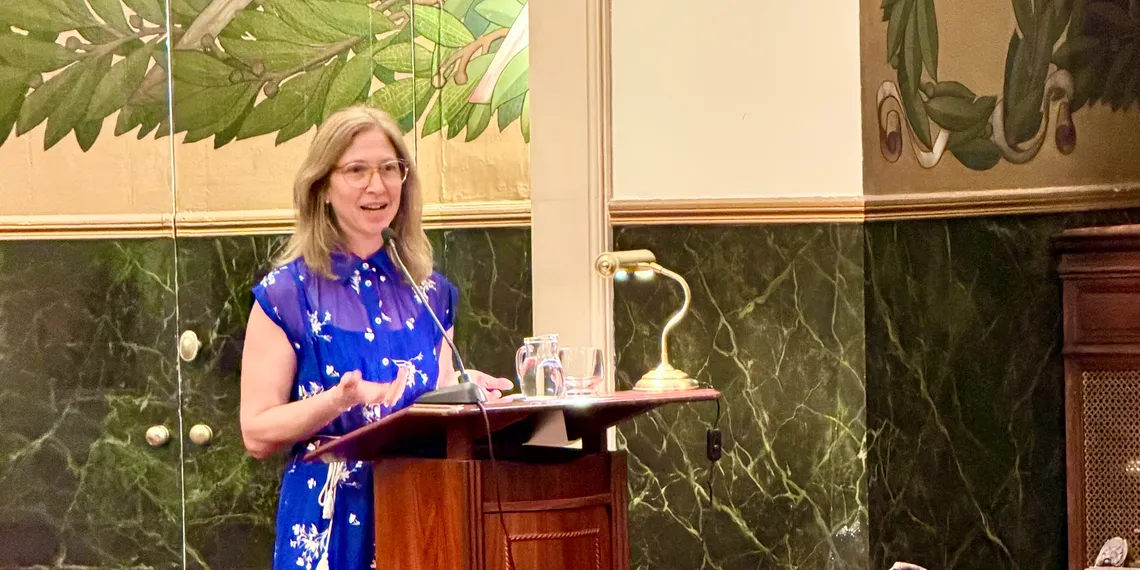
I am the director of the Mundo Sano Foundation, and since 2015 I have been working on the issue of Chagas disease from a socio-cultural perspective, with the aim of providing a comprehensive view focused on people's experiences.
There are many barriers to early diagnosis and timely treatment. Economic barriers can include a lack of money to access health insurance or having a job that does not allow flexibility to attend appointments. Many people suffering from Chagas disease are migrants in irregular situations, so legal barriers prevent them from accessing free health services. There are also social barriers that stem from fear and stigma associated with ignorance about diagnosis and treatment opportunities. Given the complexities of the health system (understanding the diagnosis and subsequent tests, communicating with multiple health professionals, duration of treatment), people may encounter barriers that make it difficult to obtain an accurate diagnosis and treatment options. These are structural barriers.
However, all these barriers can be overcome. There are solutions, and much progress has been made in the fight against Chagas disease. There are diagnostic mechanisms that can detect the disease. There are two drugs that work as antiparasitics. If a woman is treated before becoming pregnant, the parasite is not transmitted to her baby. Children who receive treatment are cured. Treating adults is important to reduce the parasite burden. There are national and regional regulations and recommendations from the Pan American Health Organisation (PAHO) and the World Health Organisation (WHO). There are proposals to integrate Chagas into comprehensive programmes, such as PAHO's Strategy for the Elimination of Mother-to-Child Transmission (ETMI+). Educational, communication and awareness-raising materials are available to break the silence and prevent the reproduction of stigmas. There is growing adherence to the Ibero-American Initiative "No Baby with Chagas" of the Ibero-American General Secretariat (SEGIB), whose signatories are countries committed to putting the issue of Chagas on their national health agendas.
The ingredients are there, and if applied, they can have an impact. Some projects previously presented in the Network serve as examples: the initiative in Córdoba, the work of the Public and Community Health team (eSPiC) in Barcelona, and the Triple Frontier brigade of Mundo Sano and ADESAR. These are concrete cases that aim to break down barriers, focus on the individual and their needs, and allow us to imagine a not-too-distant future in which Chagas disease can be eliminated as a public health problem.